

For highway driving, the most important areas to cover with paint protection film are the front bumper, hood, front fenders, mirrors, and other surfaces exposed to road debris. A full-front package is often the best balance of protection and cost, while track or full-vehicle coverage makes more sense for vehicles exposed to frequent highway miles, construction debris, or demanding driving conditions.
Which Parts of a Vehicle Need PPF Most
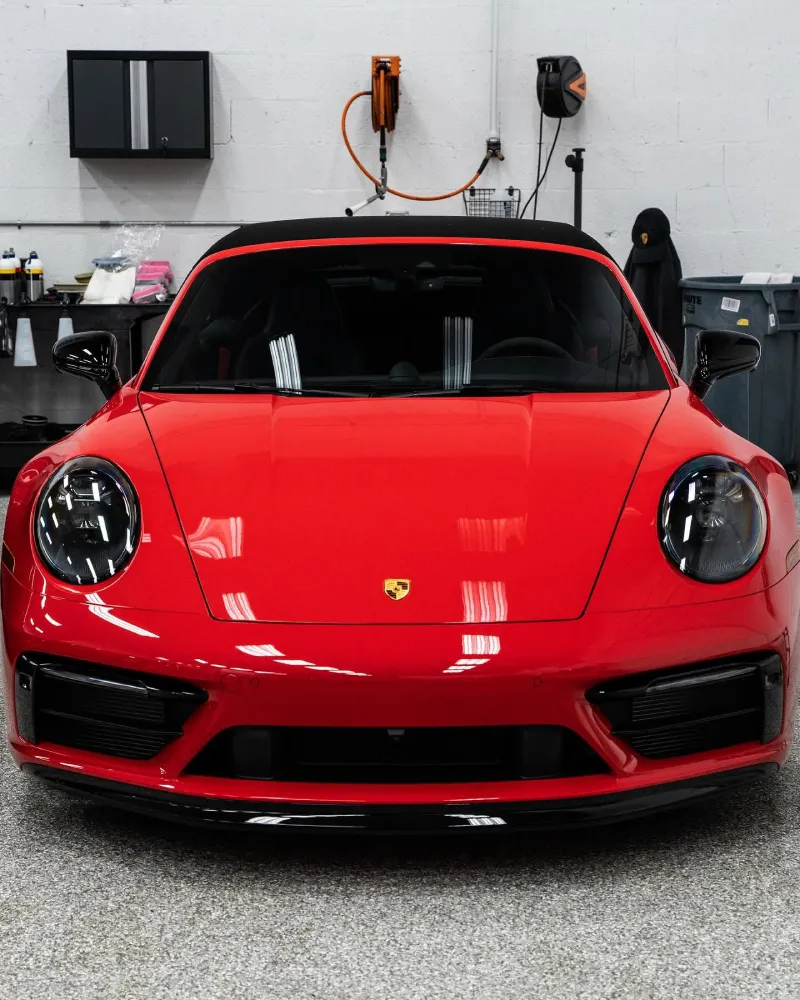
Highway driving exposes the front of a vehicle to rocks, gravel, sand, and other debris traveling at speed. The bumper and leading edges of the hood typically take the most impact.
A properly selected paint protection film in Miami, FL package should therefore begin with the areas most likely to encounter road debris rather than treating every painted panel as equally vulnerable.
Highest-Priority PPF Areas
- Front bumper: One of the first surfaces exposed to airborne debris.
- Hood: Particularly vulnerable along the leading edge.
- Front fenders: Can receive debris thrown outward by the front tires.
- Side mirrors: Their forward-facing position makes them susceptible to chips.
- Rocker panels: May experience debris kicked up from the road.
- Rear wheel areas: Vulnerable to tire-generated road debris.
Select the right coverage based on the vehicle’s body shape, driving habits, and expected exposure.
Is Full-Front PPF Enough for Highway Driving
For many daily drivers, full-front protection is an excellent starting point. It generally covers the most vulnerable forward-facing painted surfaces without requiring film across the entire vehicle.
Detail Boutique currently offers Partial Front, Full Front, Track Package, and Full Vehicle PPF options. The company’s full-front option protects the vehicle’s front end, while the track package adds coverage to additional high-impact areas.
For someone researching paint protection film in Miami, the full-front approach can be particularly practical when the main concern is preventing highway rock chips while keeping the overall installation more targeted.
How Much PPF Should You Get
No universal coverage percentage fits every vehicle. Instead, coverage should match where the vehicle gets the most exposure.
| Driving Situation | Recommended Coverage |
| Occasional highway driving | Partial front or full front |
| Frequent highway commuting | Full front |
| Frequent long-distance travel | Full front plus additional impact zones |
| Construction-heavy routes | Track-style coverage |
| High-performance driving | Track or expanded coverage |
| Maximum paint preservation | Full vehicle |
A vehicle driven primarily around Coconut Grove may have different exposure patterns from one regularly used for long highway trips. The important consideration is how and where the vehicle is driven.
Why Does Highway Speed Matter for PPF Coverage
The faster a vehicle travels, the more energy it has when road debris strikes the paint. Even relatively small stones can cause visible chips when they impact a painted surface at highway speed.
This is one reason paint protection film is valuable for drivers who regularly travel at higher speeds. PPF acts as a sacrificial protective layer between the painted surface and common road debris.
Should You Cover the Entire Vehicle With PPF
Full-vehicle PPF provides the broadest coverage, but it is not automatically necessary for every driver.
Full coverage can make sense when preserving the vehicle’s paint is a particularly high priority. This can include luxury vehicles, exotic cars, collector vehicles, newer vehicles, and cars that accumulate significant highway mileage.
Full coverage also reduces the appearance difference that can occur between protected and unprotected panels as the vehicle ages.
Important PPF Terms
Paint Protection Film: A transparent or specialty film applied over painted surfaces to help protect them from chips, abrasion, and environmental damage.
Full Front: A coverage package designed to protect the major painted surfaces at the front of the vehicle.
Track Package: Expanded PPF coverage designed around areas that experience higher levels of impact exposure.
Self-Healing: A property of certain PPF products that allows minor surface marks in the film to diminish with appropriate heat or environmental conditions.
Common Myth: More PPF Always Means Better Protection
Myth: Every vehicle should automatically receive full-vehicle PPF.
Reality: The ideal coverage depends on the vehicle, driving habits, budget, paint condition, and protection priorities.
A commuter who primarily drives locally may receive excellent value from a full-front installation. Someone who regularly drives long highway distances or wants maximum preservation of a luxury vehicle may benefit from expanded or full-vehicle coverage.
More film provides more coverage, but the smartest package aligns with your actual risk.
How Does Professional PPF Installation Improve Highway Protection
Film quality matters, but installation quality matters just as much.
Detail Boutique’s documented process begins with vehicle inspection and film selection, followed by decontamination and surface preparation. Digital templates then cut film for the vehicle’s specific make, model, and year. The team wraps or tucks edges where appropriate, then performs a final inspection for bubbles, edge lift, and coverage gaps.
This preparation-first methodology matters because PPF is only as effective as the surface and installation supporting it.
Does Miami’s Climate Affect PPF Coverage Decisions
Climate is another consideration when determining how much of a vehicle to protect. Strong UV exposure, heat, road contamination, and coastal conditions can contribute to long-term wear on automotive finishes.
That makes Miami paint protection film useful not only for rock-chip prevention but also as part of a broader paint-preservation strategy.
Drivers who regularly combine city driving with highway travel should consider both impact exposure and environmental exposure when selecting coverage.
How Much PPF Should You Get
For most highway drivers, paint protection film in Miami, FL coverage should begin with the front bumper, hood, front fenders, and mirrors. A full-front package protects the highest-risk areas, while track or full-vehicle coverage may suit drivers who want broader protection.
The best choice depends on mileage, road conditions, vehicle value, and how important it is to preserve the original finish. Detail Boutique offers several coverage levels and uses a documented inspection, preparation, installation, and final-inspection process to tailor protection to the vehicle.
Protect Your Vehicle Before Highway Miles Add Up
If you’re comparing paint protection film Miami options, contact usp to discuss your vehicle, driving habits, and preferred coverage. The team can help you choose the PPF package that provides the protection you need without paying for coverage that doesn’t fit your use.
People Also Ask
Is full-front PPF enough for highway driving?
For many drivers, yes. Full-front PPF protects the areas most directly exposed to highway debris. Drivers with particularly high mileage or demanding routes may benefit from additional coverage.
What areas should be covered with PPF first?
The front bumper, hood, front fenders, and side mirrors are generally among the highest-priority areas. You can select additional zones based on the vehicle and driving conditions.
Is full-vehicle PPF worth it?
Full-vehicle PPF can be worthwhile when maximum paint preservation is the goal, particularly for luxury, exotic, collector, or frequently driven vehicles. It isn’t necessary for every vehicle.
Does PPF prevent all paint damage?
No. PPF helps protect against many forms of road debris and surface abrasion, but it cannot prevent every type of damage, including major collisions, deep impacts, or severe scratches.